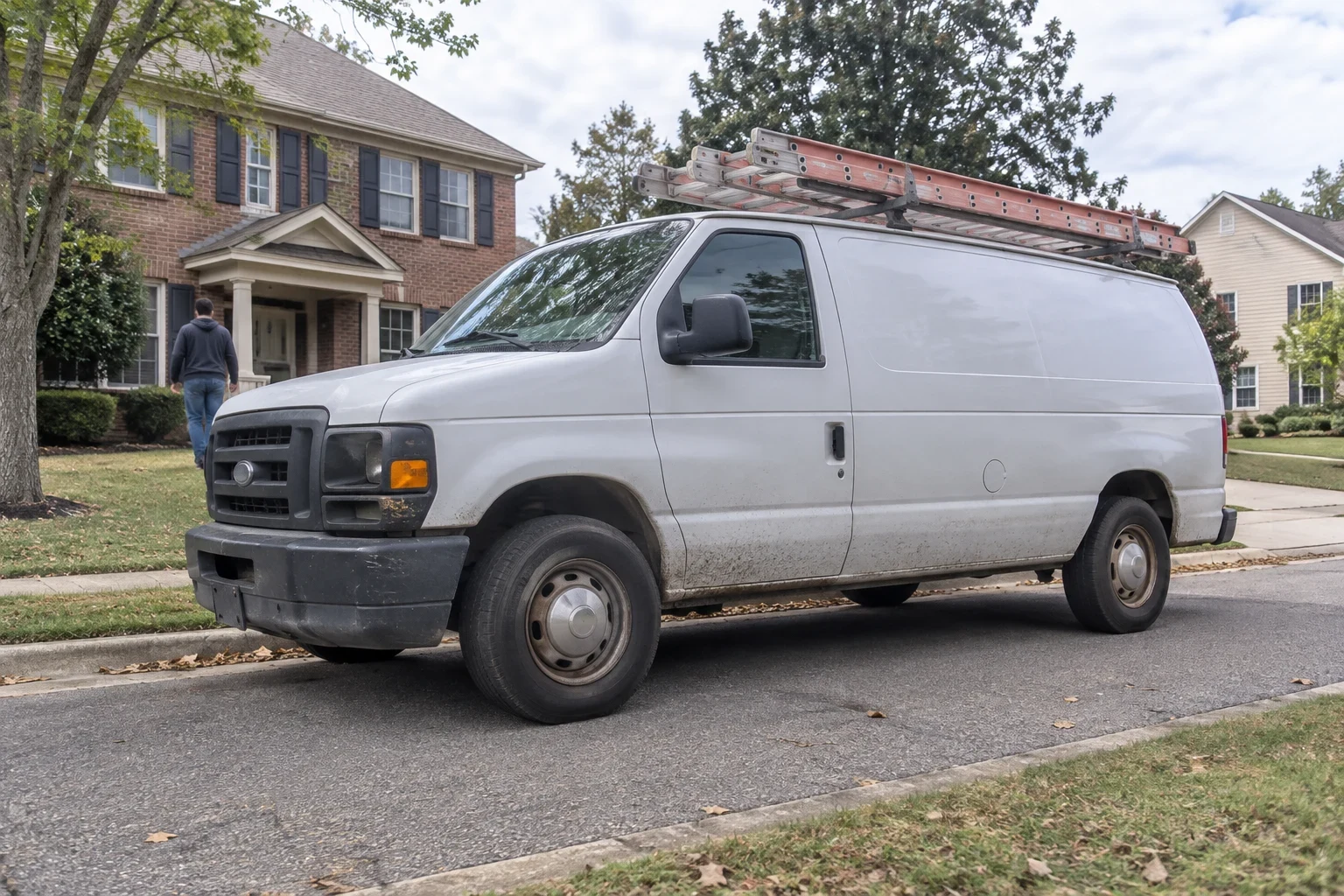
Custom Home Building in Greenville and Nearby Towns
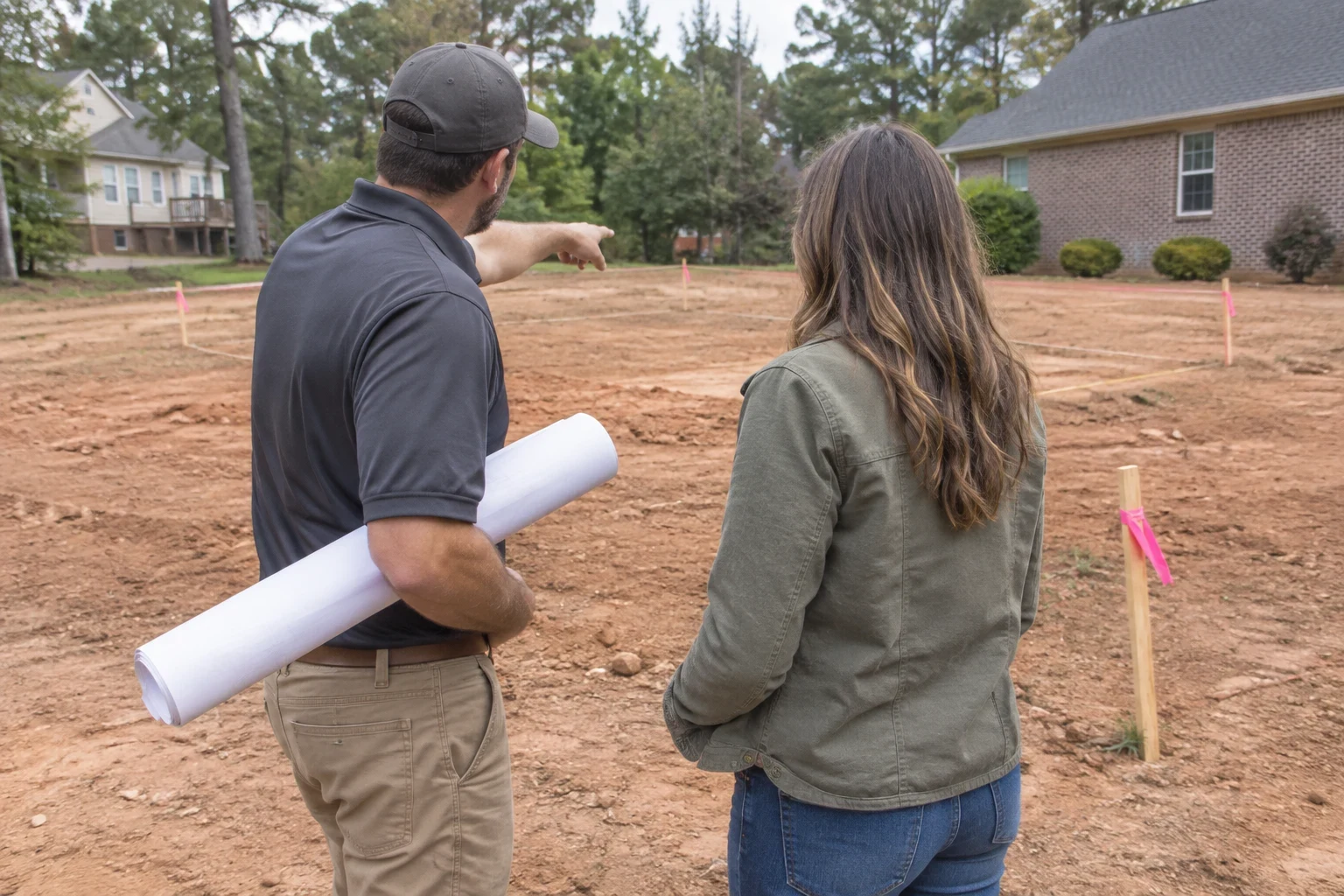
We build custom homes and take on remodels, land clearing, grading, foundations, flooring and siding throughout Greenville and the towns around it. On every lot we check the soil, the slope and the permit path before we price the work, so the plan holds up once we break ground.
Towns we work in
Our crews work in Greenville and across the surrounding area, including Taylors, Greer, Wade Hampton, Five Forks, Mauldin, Simpsonville, Gantt, Parker, Sans Souci and Dunean. The same crew handles your project from site work through finish, whichever of these towns your lot or house is in.
What changes from one town to the next is mostly paperwork. Greer, Mauldin and Simpsonville run their own building departments, while lots in unincorporated areas such as Five Forks or Taylors go through Greenville County. We confirm which office reviews your plans, which setbacks apply and whether a land disturbance permit is needed before grading starts. That way inspections line up with the build schedule instead of stalling it.
Towns we cover from Greenville
- Greenville
- Mauldin
- Wade Hampton
- Gantt
- Parker
- Sans Souci
- Dunean
- Greer
- Simpsonville
- Taylors
- Five Forks
Not on the list? Call (864) 896-8814 and ask.
What shapes a build across the Upstate
- Red clay soil
- Most lots here sit on Piedmont red clay over weathered rock. It holds water, turns slick when wet and bakes hard when dry. We set footings on undisturbed soil, compact any added soil in thin lifts and check bearing where the plan calls for it. That keeps settlement cracks out of the slab and the drywall years later.
- Hard summer rain
- Summer thunderstorms drop a lot of water in a short time. During land clearing we install silt fence and a stabilized construction entrance, and final grading slopes away from the foundation the way code requires, so runoff heads to the yard and not under the house.
- Humidity and moisture
- Long, humid summers push moisture into walls and floors. We lap house wrap correctly, flash every window head and sill, and leave a drainage gap behind siding. Wood flooring sits inside the conditioned house to acclimate before we install it, which prevents cupping and gaps.
- Housing age
- Closer to the city, many homes date from the early and middle 1900s, often on crawlspaces with older framing sizes and plaster walls. Newer subdivisions in the outer towns are mostly slab or crawlspace builds from recent decades. A remodel on either starts with opening up and checking the framing and subfloor before finishes are picked.
- Termites
- Subterranean termites are active across the state. New foundations get soil treatment before the slab is poured, and we keep clearance between grade and siding so the sill area can be inspected.
Tell us where your lot or house is
Share the town and a rough idea of the project. During a project consultation by phone we will talk through the site conditions, the permit office involved and what happens next.